
Heavy rain is relatively uncommon on the Costa Blanca, but when it comes, it can be intense.
Several times a year, particularly during autumn and spring, the Mediterranean coast of Spain can experience episodes of torrential rainfall and severe thunderstorms.
A property that appears perfectly watertight during normal rainfall may reveal its vulnerabilities during a severe storm.
And if your Spanish home is empty, finding those problems quickly can make a significant difference.
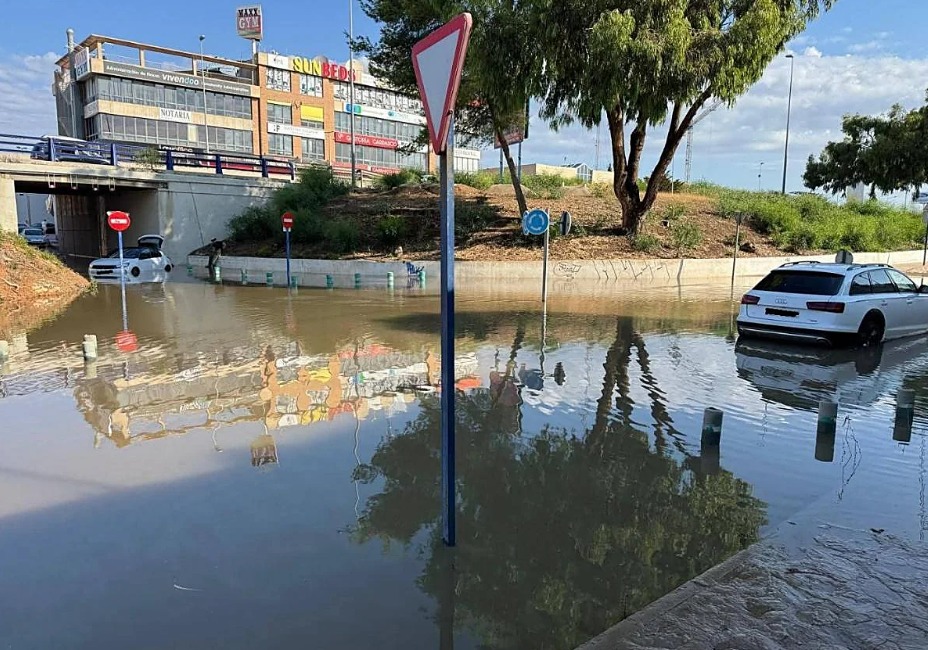
When a few hours of rain change everything
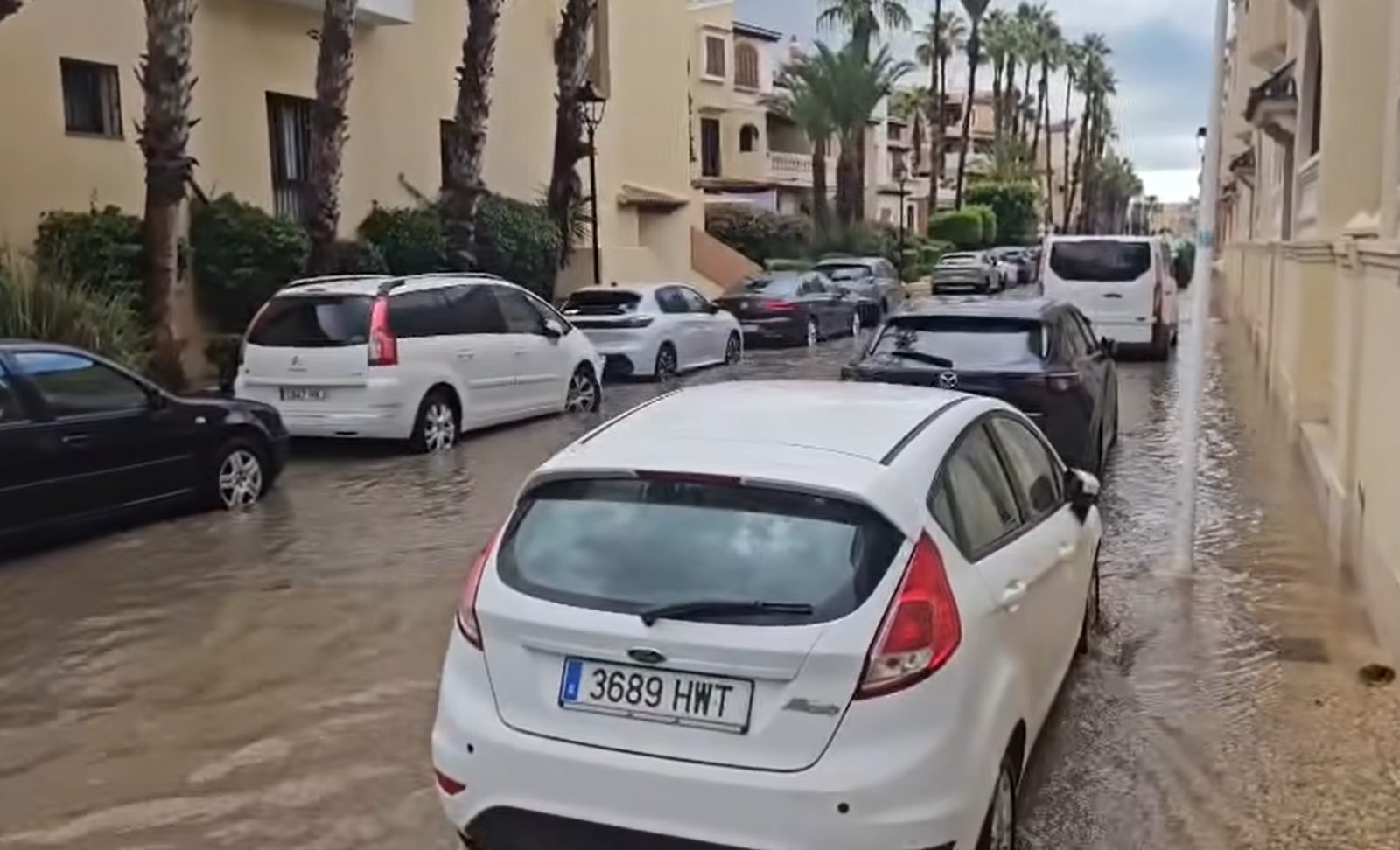
One such weather event affected the Orihuela Costa–Torrevieja area on 19 September 2026.
Rainfall was extremely localised, with large differences over relatively short distances. In parts of Torrevieja and Orihuela, more than 50 litres per square metre fell in less than an hour.
The consequences were immediately visible: localised flash flooding, roads covered by water and large volumes of runoff making their way towards the coast.
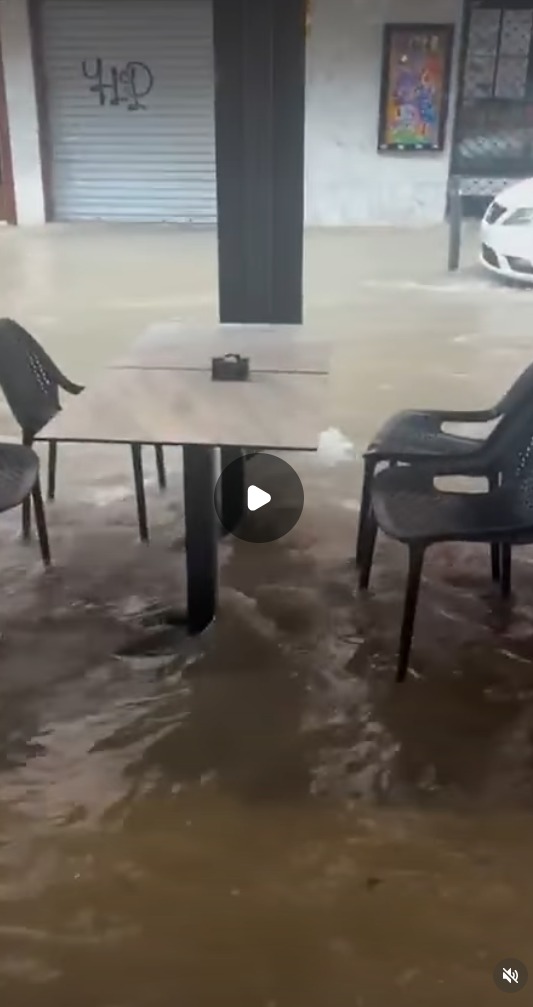
During particularly intense rainfall, streets can temporarily turn into streams carrying branches, bins and other debris. In more severe situations, floodwater and strong winds can damage vehicles, trees and outdoor structures.
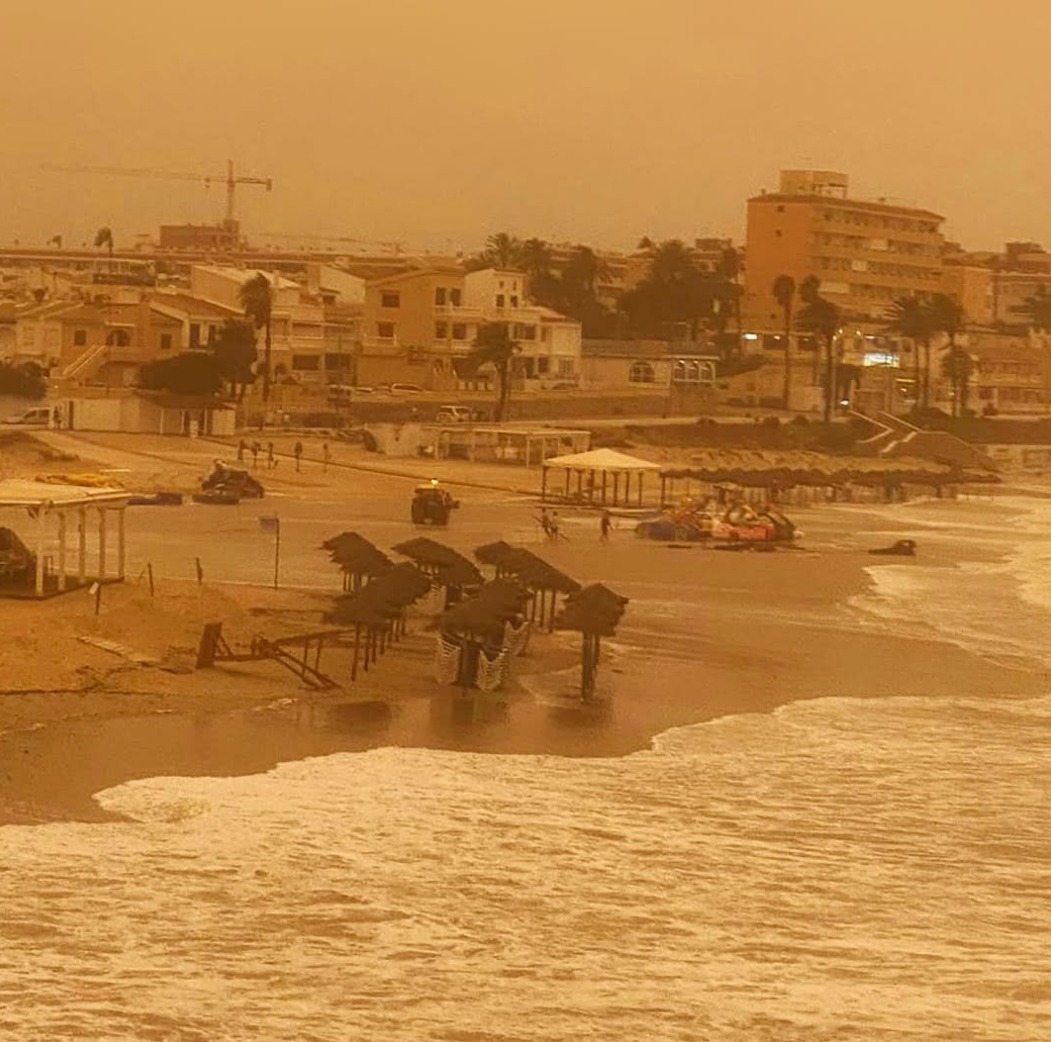
For property owners, however, there is another risk that may be much less obvious.
The damage you don’t immediately see
A property may remain completely dry during light or moderate rain but develop water ingress when exposed to torrential rainfall combined with strong winds.
Waterproofing on terraces and roofs can deteriorate over time. Sealants around windows and doors can fail. Drains can become obstructed. Wind-driven rain can reach places that ordinary rainfall never does.
Water ingress can subsequently damage furniture, flooring, electrical installations, appliances and the building itself.
The risk can increase as a property ages, particularly when waterproofing, sealants, drainage systems or exterior surfaces have not been regularly inspected and maintained.
Basements and underground garages deserve particular attention as well. Water may enter directly from street level, through access ramps and doors, or through defects in the building envelope.
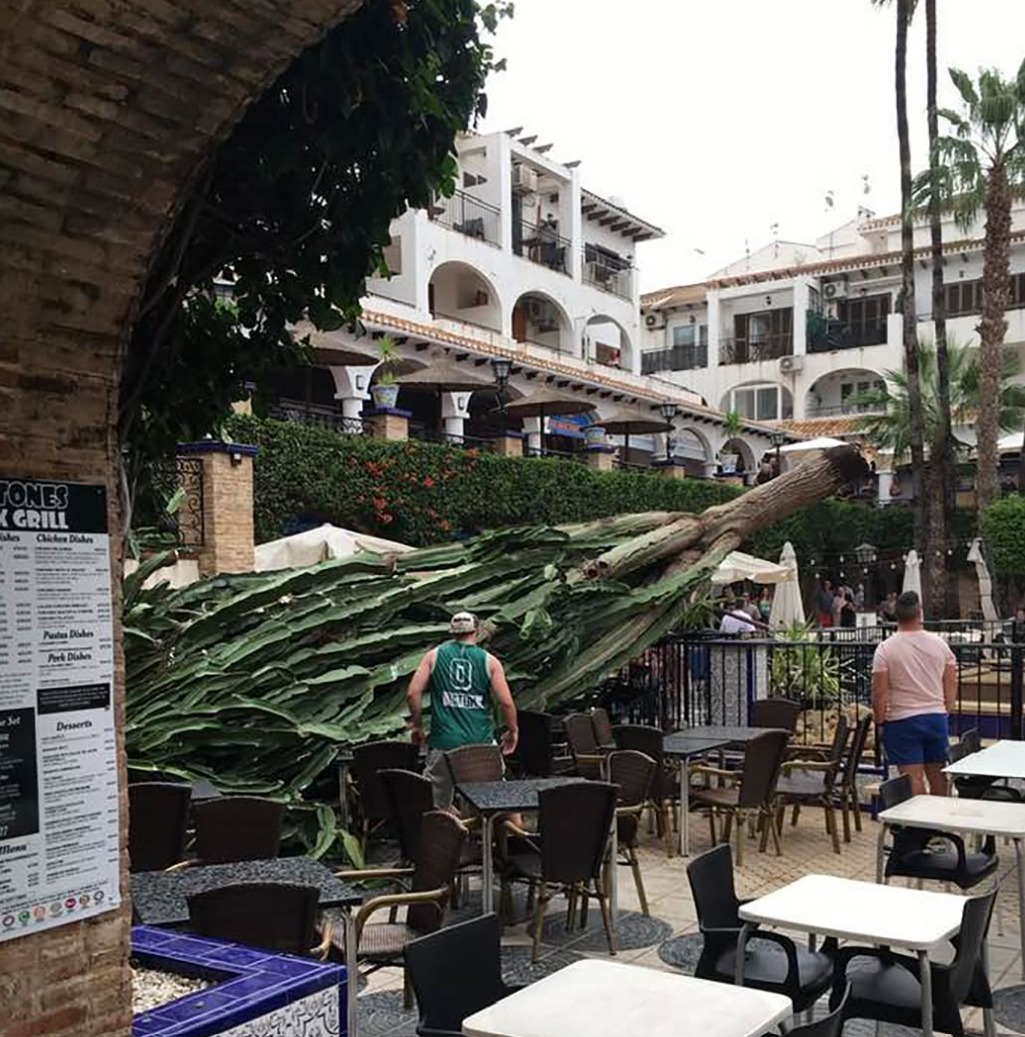
This is why an unoccupied holiday home or second property should be checked as soon as reasonably possible after a severe weather event.
Here are 10 things worth checking.
1. Check ceilings for signs of water ingress
Visually inspect ceilings throughout the property, paying particular attention to rooms and storage areas located directly beneath roofs, terraces or balconies.
Look for staining, discolouration, bubbling paint, cracks or damp patches that were not present before the storm.
Don’t forget cupboards, utility rooms and storage spaces simply because they are rarely used.
2. Check around electrical fittings
Look carefully for moisture or water marks around ceiling lights, electrical boxes, sockets and switches.
Water entering the building can travel along structural cavities, conduits and other routes before becoming visible somewhere surprisingly far from the original point of entry.
If you discover water close to electrical equipment, do not touch wet electrical fittings or attempt to operate them. The electrical installation should be made safe and inspected by a qualified professional.
3. Inspect windows and frames
Check every window that was exposed to wind-driven rain.
Look around the frames, seals, window sills and surrounding walls for signs of water penetration.
Pay particular attention to windows facing the direction from which the storm arrived. Strong winds can drive rain against windows at angles that the property does not experience during normal rainfall.
4. Check window drainage channels
Many modern window systems incorporate drainage holes or channels designed to allow accumulated water to escape.
Check that these are not obstructed by dust, insects, leaves or other debris.
A small blocked drainage point can become surprisingly important when a large volume of rain hits a window in a short period.
5. Look for moisture that isn’t visible
Not every damp area can be detected simply by looking at the wall.
Where appropriate, a non-invasive moisture detector such as the Trotec BM31WP can help identify unusual moisture levels beneath surfaces without immediately damaging the material.
Particular attention should be given to areas around windows and doors, exterior walls, walls beneath terraces or roofs and any location where water ingress is suspected.
A moisture reading is an indication that further investigation may be required; it does not by itself identify the source of the water.
6. Check doors, thresholds, terraces and garage entrances
Inspect the main entrance door as well as doors leading onto terraces, patios and balconies.
Look closely around thresholds and the bottom corners of frames.
For properties with basements or garages, check access doors and ramps as well.
Even a relatively small amount of water entering beneath a door can spread over a surprisingly large area once inside.
7. Look underneath furniture
Use a torch and check beneath furniture, particularly items positioned against exterior walls.
Water can travel down or through a wall and accumulate underneath cabinets, wardrobes, kitchen units or other furniture without being immediately visible.
Undetected moisture can eventually damage furniture, skirting boards and flooring and create favourable conditions for mould.
This is one of the reasons why detecting a problem quickly matters.
8. Measure indoor humidity
If possible, measure the relative humidity inside the property with a hygrometer.
As a practical reference, indoor relative humidity should generally remain below 60%, with approximately 30–50% being a useful target range in many circumstances.
Persistent humidity above 60% after a storm deserves attention, particularly when accompanied by a damp smell, condensation or visible signs of moisture.
If materials have become wet, they should be dried as quickly as reasonably possible. Ventilation, air conditioning, fans or a dehumidifier may help, depending on the conditions and the source of the moisture.
However, reducing indoor humidity does not replace finding and repairing the source of water ingress.
9. Inspect the roof — but don’t take unnecessary risks
From a safe location, visually inspect the roof for obvious changes such as displaced or broken tiles, damaged flashing or visible disruption to waterproofing membranes or roofing materials.
Do not climb onto a wet, damaged or difficult-to-access roof after a storm.
Where direct inspection is not safe or practical, an inspection from ground level or, where appropriate and legally permitted, using a drone can help identify areas requiring professional attention.
Any suspected structural or roofing damage should be assessed by a suitably qualified professional.
10. Check trees and vegetation around the property
Finally, look beyond the building itself.
Inspect nearby trees and large vegetation for broken or unstable branches.
A branch damaged during a storm may remain suspended and fall later, potentially damaging a roof, façade, pergola, awning, vehicle or another part of the property.
Also check terraces and exterior areas for displaced furniture, damaged awnings, pergolas and other items that may have moved during strong winds.
 ## The storm may be over. The problem may not be.
This list is not exhaustive, but it provides a useful starting point immediately after a severe weather event.
The principle is simple:
A problem discovered early can often be repaired, contained or investigated before it causes significantly more damage.
This is particularly important for second homes and holiday properties.
If you live hundreds or thousands of kilometres away, you may not know that a roof has leaked, water has entered beneath a terrace door or humidity has increased inside the property until you return weeks or months later.
By then, a relatively small problem may have become a much larger one.
This is one of the reasons why having a trusted local person or a professional property management company looking after your home can be valuable.
Post-storm property checks with Stay in Costa Blanca
At Stay in Costa Blanca, post-storm property checks are included in all our property management plans.
Depending on the selected plan, your property also receives 1, 2 or 4 scheduled inspections, providing different levels of regular monitoring throughout the year.
Following severe weather, we can inspect the property, document its condition and inform you if we identify something requiring attention.
If a problem requires specialist intervention, the appropriate next steps can then be discussed with you rather than leaving the issue unnoticed until your next visit to Spain.
Your home is here, even when you aren’t.
More time for you. We take care of the rest.